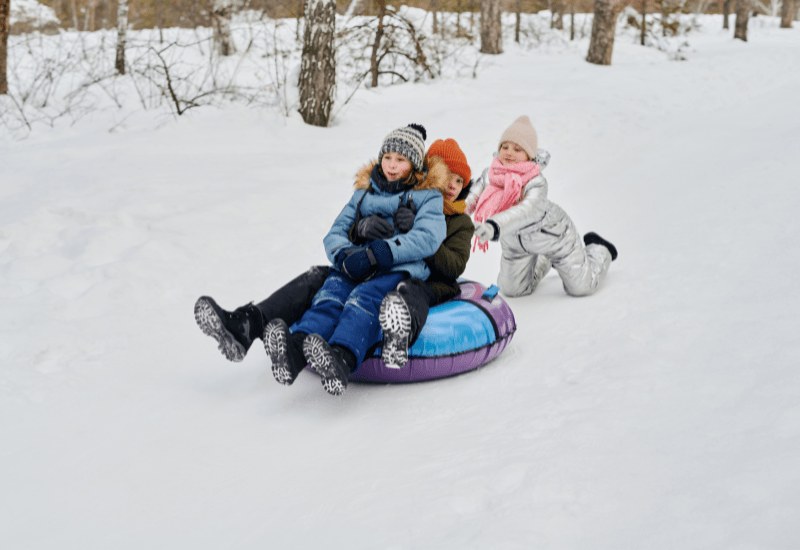
Picture this: your child watches other kids play from the sidelines.
They inch closer… then pull back.
They want to join, they really do — but something stops them. The words don’t come out right, the timing feels off, or the group seems too fast, too loud, too unpredictable.
It’s heartbreaking to see a child want friendship but struggle to reach it. And it’s far more common than most parents realize.
At Alma Behavioral, we view social skills development as a gradual, relational process. Kids aren’t “bad at making friends.” They’re learning skills — reading cues, navigating conversations, managing big feelings — skills that take time, practice, and support to grow.
What are social development skills?
Social development skills are the abilities that help children interact with others in flexible, meaningful, and emotionally safe ways. Social skills development begins in early childhood and continues throughout life, evolving as a child learns how to understand themselves and the people around them.
These skills often include:
- Understanding social cues
- Sharing and taking turns
- Managing emotions in group settings
- Expressing needs or ideas clearly
- Problem-solving with others
- Navigating disagreements or frustration
For many children — especially those who are shy, anxious, neurodivergent, or sensitive — social interactions feel overwhelming. That’s why intentional social skills development matters.
When kids learn to regulate, communicate, and connect, their confidence grows and friendships start to feel more accessible.
What are the 5 core social skills?
While social skills development is broad, there are five core abilities that form the foundation of healthy peer relationships:
1. Communication
Both verbal and nonverbal — tone of voice, eye contact, gestures, and listening.
2. Cooperation
Sharing, turn-taking, and working together toward a goal.
3. Empathy
Understanding and responding to others’ feelings.
4. Self-Regulation
Managing emotions during play, conflict, or disappointment.
5. Problem-Solving
Talking through disagreements, compromising, and finding solutions.
Children struggling in friendship often have difficulty with one or more of these core skills. Social skills development helps strengthen these abilities so kids can participate in friendships with more ease and confidence.
How do people develop social skills?
People — especially children — develop social skills through modeling, practice, co-regulation, and safe relational experiences. Social skills development is not intuitive for every child, and that’s okay. Kids learn best when the environment supports them.
At Alma Behavioral, we help children build social skills development through:
1. Modeling & Role-Play
Practicing greetings, taking turns, and joining play in a low-pressure setting.
2. Scripted Social Opportunities
Providing predictable phrases like “Can I play?” or “Do you want to take turns?”
3. Coached Peer Interactions
Adults guide children gently as they try new social behaviors.
4. Emotional Regulation Tools
Because friendships require managing frustration, excitement, and disappointment.
5. Gradual Exposure
Starting with one peer, then a small group, then larger social settings.
6. Strength-Based Feedback
Celebrating small wins to support ongoing social skills development.
Children learn social skills the same way they learn any other developmental skill — through repetition, patience, safety, and supportive adults who scaffold the experience.
What are the 7 areas of social emotional development?
Social emotional development covers seven broad areas that help children understand themselves and connect with others. These areas guide clinicians and parents in supporting overall social skills development:
1. Self-Awareness
Understanding emotions, strengths, and internal experiences.
2. Self-Regulation
Managing impulses and calming down when overwhelmed.
3. Social Awareness
Recognizing others’ emotions, perspectives, and cues.
4. Relationship Skills
Building, maintaining, and repairing friendships.
5. Responsible Decision-Making
Navigating social choices with thoughtfulness and confidence.
6. Communication
Expressing needs, thoughts, and feelings clearly.
7. Play Skills & Cooperation
Shared play, collaboration, and flexible interactions with peers.
Strong social emotional development supports strong social skills development — and together, they help children feel capable, confident, and ready for friendships that feel good.
Bringing It All Together
When a child wants friends but struggles to make them, it’s not a failure — it’s a signal that they need support, structure, and emotional safety.
Social skills development is a journey, not a personality trait, and children grow these abilities through guided practice, gentle coaching, and relationships that feel predictable and safe.
At Alma Behavioral, we help children strengthen social skills development through play-based learning, emotional regulation tools, and parent collaboration. With the right support, friendships become less frightening and more fulfilling — a place where children can feel seen, included, and connected.
Because when social skills development is nurtured with patience and compassion, kids don’t just make friends — they discover their own capacity for belonging.